
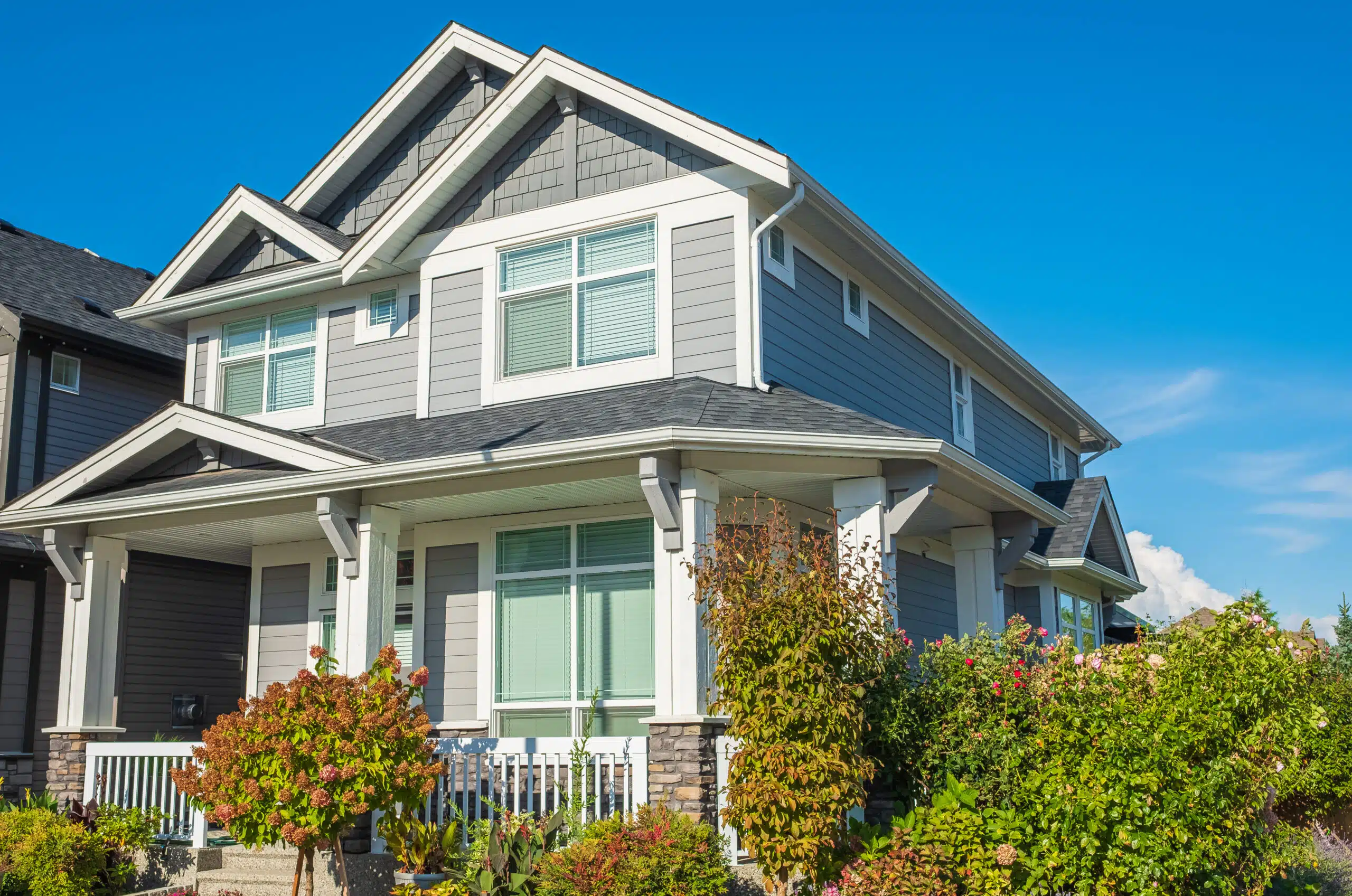
Home remodeling projects can transform your living space, improve functionality, and increase your property’s value. Whether you are updating a kitchen, renovating a bathroom, adding more living space, or completing a whole-home renovation, careful planning is essential for success. While most homeowners budget for materials and labor, unexpected expenses can quickly increase the overall cost of a project. Understanding the hidden costs of remodeling and knowing how to prepare for them can help you stay on track financially and avoid unnecessary stress.
Unexpected Structural Issues
One of the most common hidden costs in home remodeling is discovering problems that were not visible before construction began. Issues such as water damage, outdated wiring, plumbing problems, foundation concerns, mold, or termite damage may only become apparent after walls or floors are opened. These repairs can add significant expenses to your project. Before remodeling begins, consider having a professional inspection completed to identify potential problems early and include possible repairs in your budget.
Changes to the Original Design Plan
Many homeowners make adjustments once they see their remodeling project taking shape. While changes may improve the final result, they can also increase costs due to additional labor, new materials, and extended timelines. Moving walls, changing layouts, upgrading finishes, or adding new features after construction begins often requires extra work. Creating a detailed plan before starting the project and sticking to your design choices can help reduce costly modifications.
Permit and Inspection Fees
Permits are an important part of many remodeling projects, especially those involving structural changes, electrical work, plumbing, or additions. Homeowners sometimes overlook permit costs when creating their renovation budget. Failing to obtain required permits can also lead to fines, delays, and complications when selling the property. Discuss permit requirements with your contractor early so you understand which approvals are needed and how they affect your overall project expenses.
Material Upgrades and Finishing Touches
Small upgrades can quickly add up during a renovation. Choosing higher-end countertops, premium flooring, upgraded fixtures, custom cabinetry, designer lighting, or specialty finishes can significantly increase costs. Many homeowners underestimate how much these details contribute to the final budget. Before selecting materials, establish priorities and determine where upgrades will provide the greatest value and impact.
Labor Costs and Project Delays
Labor is one of the largest expenses in any remodeling project, and delays can increase costs. Weather issues, material shortages, unexpected repairs, or scheduling conflicts can extend the timeline and require additional labor hours. Working with an experienced contractor who provides a realistic schedule can help minimize delays. Maintaining open communication throughout the project also allows potential issues to be addressed before they become larger problems.
Temporary Living Expenses
Some remodeling projects make parts of your home unusable for an extended period. Major kitchen renovations, whole-home remodels, and additions may require homeowners to stay elsewhere temporarily. Hotel stays, short-term rentals, restaurant meals, storage costs, and moving expenses can add up quickly. If your project may affect your ability to live comfortably at home, include temporary living costs in your renovation budget from the beginning.
Hidden Costs of Older Homes
Older homes often have unique challenges that can increase remodeling expenses. Aging plumbing systems, outdated electrical panels, insufficient insulation, and building materials that no longer meet current standards may need to be replaced during renovation. While older properties can have beautiful character and charm, homeowners should be prepared for the possibility of additional improvements required to bring the home up to modern standards.
Disposal and Cleanup Expenses
Removing old materials creates waste that must be properly handled. Demolition debris, old cabinets, flooring, drywall, and other construction materials may require disposal services or dumpster rentals. These expenses are often overlooked when homeowners focus primarily on new materials and installation costs. Ask your contractor whether cleanup and disposal are included in the estimate or if they will be separate charges.
Increasing Energy Efficiency
Many remodeling projects provide opportunities to improve energy efficiency, but these upgrades can increase upfront costs. Installing energy-efficient windows, improved insulation, modern HVAC systems, or smart home technology may require additional investment. However, these improvements can reduce utility expenses over time and increase comfort. Consider the long-term benefits when deciding which upgrades are worthwhile for your home.
Contractor Selection and Project Management
Choosing the wrong remodeling contractor can result in unexpected costs caused by poor workmanship, delays, or incomplete projects. A contractor who provides an unusually low estimate may leave out important expenses or use lower-quality materials. Research contractors carefully, verify credentials, review references, and request detailed written estimates. A reliable professional can help identify potential challenges and provide accurate pricing before work begins.
Building a Realistic Contingency Fund
Even with careful planning, unexpected costs are a normal part of remodeling. Most experts recommend setting aside additional funds beyond the initial project estimate to cover surprises. A contingency budget allows you to handle unexpected repairs or changes without putting your project at risk. Having extra financial flexibility provides peace of mind and helps keep the renovation moving forward.
Communicating Clearly Throughout the Project
Clear communication between homeowners and contractors is essential for controlling costs. Regular updates, written agreements, and detailed discussions about changes help prevent misunderstandings. Ask questions about pricing, timelines, materials, and potential challenges before making decisions. A strong working relationship with your contractor can make it easier to address issues quickly and keep the project within budget.
Home remodeling can be a rewarding investment, but unexpected expenses can create challenges if you are not prepared. Hidden costs such as structural repairs, design changes, permit fees, material upgrades, and project delays can impact your budget and timeline. By planning carefully, choosing the right contractor, understanding potential risks, and setting aside a contingency fund, you can avoid many common surprises. A well-prepared remodeling plan allows you to enjoy the benefits of your updated home while maintaining greater control over your investment.

