
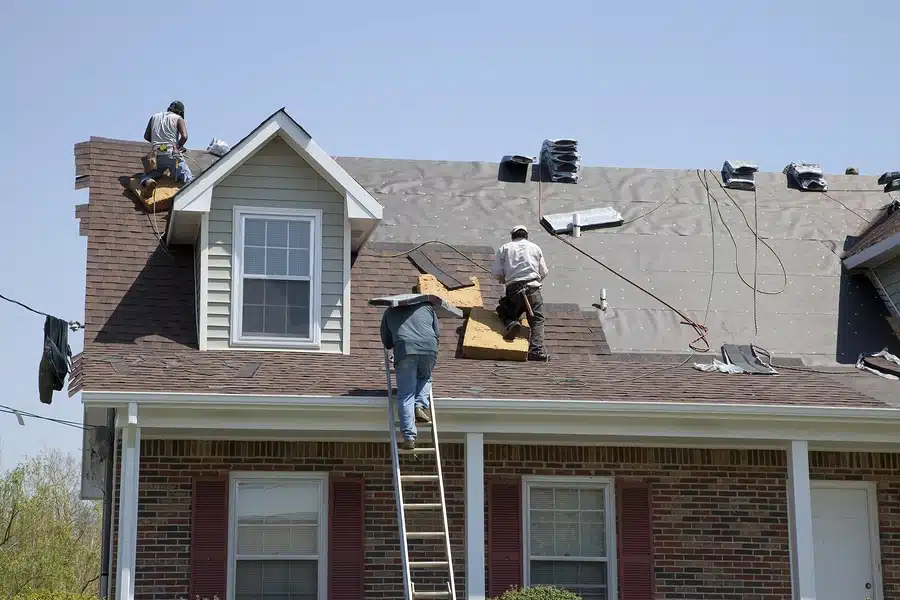
As summer fades and temperatures begin to drop, your roof becomes your home’s first line of defense against colder, wetter, and more unpredictable weather. Fall is the ideal time for a roof inspection because it gives you a chance to identify and fix small issues before they turn into costly winter damage. A thorough roof inspection can help prevent leaks, ice dams, structural deterioration, and energy loss during the harshest months of the year. Knowing what a professional roof inspection should cover can make all the difference in protecting your home.
Checking for Missing or Damaged Shingles
One of the first things a roof inspection should cover is the condition of your shingles. Over time, shingles can crack, curl, loosen, or go missing entirely due to wind, sun exposure, and general wear. Even a small gap in your roofing system can allow water to penetrate underneath, leading to leaks and rot. During a roof inspection, pay close attention to areas that face strong wind exposure or receive direct sunlight, as these sections often degrade faster. If a roof inspection turns up widespread shingle damage, it may be a sign that your roof is nearing the end of its lifespan and needs professional attention.
Examining Flashing Around Vulnerable Areas
Flashing is the thin metal material installed around roof joints, chimneys, skylights, and vents to prevent water intrusion. Because these areas are naturally more vulnerable, flashing plays a critical role in keeping your roof watertight, which is why it’s a key focus of any thorough roof inspection. During your fall roof inspection, look for rust, cracks, gaps, or sections that appear loose or detached. Damaged flashing is one of the most common sources of roof leaks, especially during heavy rain or snow. Catching these issues during a roof inspection helps prevent water from seeping into the structure of your home and causing hidden damage.
Inspecting Gutters and Drainage Systems
Your roof and gutters work together as a drainage system, directing rainwater and melting snow away from your home, which is why gutters are always part of a complete roof inspection. If gutters are clogged with leaves, twigs, or debris, water can back up onto the roof and increase the risk of leaks or ice dams in winter. During your fall roof inspection, ensure gutters are clean and securely attached. Downspouts should also be checked to confirm they are directing water far enough away from the foundation. Proper drainage not only protects your roof but also prevents long-term structural issues around your home.
Looking for Signs of Water Damage or Leaks
Even if your roof appears intact from the outside, hidden water damage can signal underlying problems that only a closer roof inspection will catch. Inside your home, check ceilings and attic spaces for stains, discoloration, or damp insulation. These signs often indicate slow leaks that may have gone unnoticed during warmer months. In the attic, look for light coming through the roof boards, which can indicate gaps or openings. A roof inspection that includes the attic, not just the exterior, is essential for catching water damage early, since prolonged exposure can weaken structural components and lead to mold growth.
Evaluating Roof Ventilation and Airflow
Proper ventilation is often overlooked but plays a major role in roof health, and it’s a step that shouldn’t be skipped during a roof inspection. A well-ventilated attic helps regulate temperature and moisture levels, reducing the risk of condensation buildup. Without adequate airflow, heat can become trapped in the attic, contributing to premature shingle deterioration and increasing the likelihood of ice dams in winter. During your roof inspection, ensure that vents are not blocked by insulation, debris, or nesting materials. Balanced ventilation helps extend the life of your roof and improves overall energy efficiency in your home.
Checking for Moss, Algae, and Debris Buildup
Organic growth such as moss and algae may seem like a cosmetic issue, but it can actually cause significant roof damage over time, which is why it deserves attention during a seasonal roof inspection. Moss retains moisture against the surface of shingles, which can lead to rot and deterioration. Algae, while less destructive, can still stain roofing materials and indicate excess moisture retention. Additionally, accumulated debris such as leaves and branches can trap water and create conditions for decay. A roof inspection that flags this buildup early gives you the chance to clean the roof or schedule professional maintenance before colder weather sets in.
Assessing Roof Edges and Structural Integrity
The edges of your roof, including eaves and fascia boards, are particularly exposed to wind and moisture, and they’re an area every roof inspection should cover in detail. During your inspection, check for signs of cracking, peeling paint, or soft wood that may indicate water damage. Ice and snow often accumulate in these areas during winter, making them especially vulnerable to stress and deterioration. A roof inspection that confirms these structural components are in good condition helps protect the entire roofing system and reduces the risk of edge-related leaks or failures.
Preparing for Seasonal Weather Changes
A fall roof inspection is not just about identifying damage — it’s about preparation. Once a roof inspection uncovers issues, taking action before winter arrives can save time, money, and stress. Small repairs such as replacing shingles, sealing flashing, or cleaning gutters can significantly improve your roof’s ability to withstand snow, ice, and freezing temperatures. If a roof inspection reveals major problems, scheduling professional repairs or replacement early ensures your home is ready for the colder months ahead without emergency disruptions.
Schedule Your Roof Inspection Before Winter Arrives
Your roof plays a vital role in protecting your home, and fall is the best time for a professional roof inspection to make sure it’s ready for the challenges of winter. By carefully inspecting shingles, flashing, drainage systems, and ventilation, a roof inspection can catch problems early and prevent costly damage. Taking a proactive approach with a seasonal roof inspection not only extends the life of your roof but also provides peace of mind when the weather turns harsh. A well-maintained roof, backed by regular roof inspections, is one of the most important investments in your home’s long-term safety and stability.

