
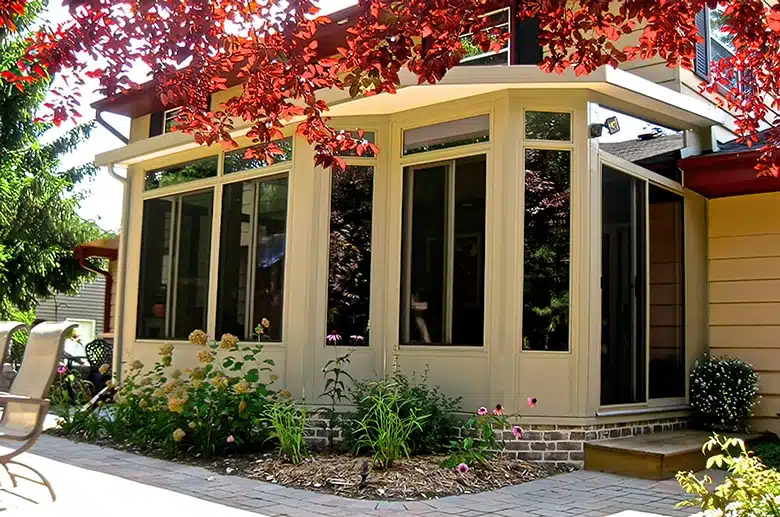
As temperatures drop and winter approaches, your home’s exterior becomes the first line of defense against snow, ice, wind, and freezing rain. Small vulnerabilities in siding, roofing, or windows can quickly turn into costly damage once harsh weather sets in. Preparing your home ahead of time not only helps prevent repairs but also improves energy efficiency and comfort throughout the season. A thorough exterior inspection and maintenance plan ensures your home stays protected when conditions are at their worst.
Inspecting and Repairing Your Roof
Your roof is the most critical barrier between your home and winter weather. Before the cold arrives, it’s essential to inspect for missing shingles, damaged flashing, or signs of wear that could allow moisture to seep in. Even small leaks can expand when water freezes and thaws repeatedly, leading to structural damage or interior ceiling stains. Pay special attention to areas around chimneys, vents, and skylights, where leaks are most likely to develop. Cleaning debris from the roof surface and gutters also helps prevent ice dams, which can cause water to back up under shingles and compromise the entire roofing system.
Strengthening Siding Against Harsh Weather
Siding protects your home’s structure from wind, moisture, and temperature fluctuations, but it can become vulnerable over time. Cracks, warping, or loose panels should be addressed before winter sets in, as these openings allow cold air and water infiltration. Materials such as vinyl, wood, or fiber cement each require different maintenance approaches, but all benefit from a thorough inspection. Sealing gaps and repairing damaged sections helps maintain insulation and prevents moisture from penetrating the walls. Properly maintained siding not only protects your home but also improves its overall energy efficiency during colder months.
Preparing Windows for Energy Efficiency
Windows are another major source of heat loss during winter. Drafty or poorly sealed windows can significantly increase heating costs and reduce indoor comfort. Checking for gaps around window frames and applying fresh caulking or weatherstripping can make a noticeable difference. In some cases, adding storm windows or insulating film provides an extra layer of protection against cold air. Double- or triple-pane windows offer improved insulation, but even standard windows can perform well when properly maintained. Ensuring your windows are sealed and efficient helps keep warm air inside and cold air out throughout the season.
Cleaning Gutters and Downspouts
Gutters and downspouts play a crucial role in directing water away from your home, especially during winter precipitation. When gutters become clogged with leaves, debris, or ice buildup, water can overflow and seep into the roof or foundation. This can lead to serious structural issues over time. Cleaning gutters thoroughly before winter ensures proper drainage and reduces the risk of ice dams forming along the roofline. Downspouts should also be checked to make sure they direct water far enough away from the home’s foundation to prevent pooling or freezing near the base of the structure.
Sealing Air Leaks and Improving Insulation
Air leaks in your home’s exterior can make heating systems work harder, increasing energy costs and reducing comfort. Common areas for leaks include gaps around windows, doors, siding joints, and roof penetrations. Sealing these areas with caulk or foam insulation helps create a tighter building envelope. In addition to sealing leaks, improving insulation in attics and exterior walls can significantly enhance your home’s ability to retain heat. Proper insulation reduces energy waste and helps maintain consistent indoor temperatures, even during extreme cold spells.
Protecting Exterior Paint and Finishes
Cold weather and moisture can take a toll on exterior paint and finishes, especially on wood siding or trim. Before winter arrives, inspect painted surfaces for peeling, cracking, or blistering. These areas should be sanded, repaired, and repainted to prevent moisture from penetrating the underlying material. A fresh coat of high-quality exterior paint acts as a protective barrier against snow and ice. Regular maintenance of painted surfaces not only improves curb appeal but also extends the lifespan of your home’s exterior materials.
Checking Exterior Doors and Entry Points
Exterior doors are another common source of heat loss and drafts during winter. Inspect door frames for gaps and ensure weatherstripping is intact and effective. If light can be seen around the edges of a closed door, it likely needs sealing or adjustment. Installing a door sweep can also help block cold air from entering underneath. Properly sealed doors improve energy efficiency and help maintain a comfortable indoor environment while reducing strain on heating systems during colder months.
Preventing Ice Damage and Winter Wear
Ice accumulation can cause significant damage to roofing, siding, and gutters if not properly managed. Ice dams, in particular, form when heat escapes through the roof and melts snow, which then refreezes at the edges. Preventing this issue starts with proper attic insulation and ventilation. Keeping roof edges clear of heavy snow buildup can also help reduce risk. Additionally, ensuring that water drainage systems are functioning properly minimizes the chance of freezing and expansion damage in vulnerable areas of the home exterior.
Preparing your home’s exterior for winter is an essential step in protecting it from harsh weather conditions and avoiding costly repairs. By inspecting and maintaining your roof, siding, windows, gutters, and doors, you can strengthen your home’s defenses against cold temperatures and moisture. Simple preventive measures—such as sealing gaps, repairing damage, and improving insulation—go a long way in ensuring comfort, efficiency, and durability throughout the winter season. A well-prepared home is not only more resilient but also more energy-efficient and comfortable when it matters most.

