
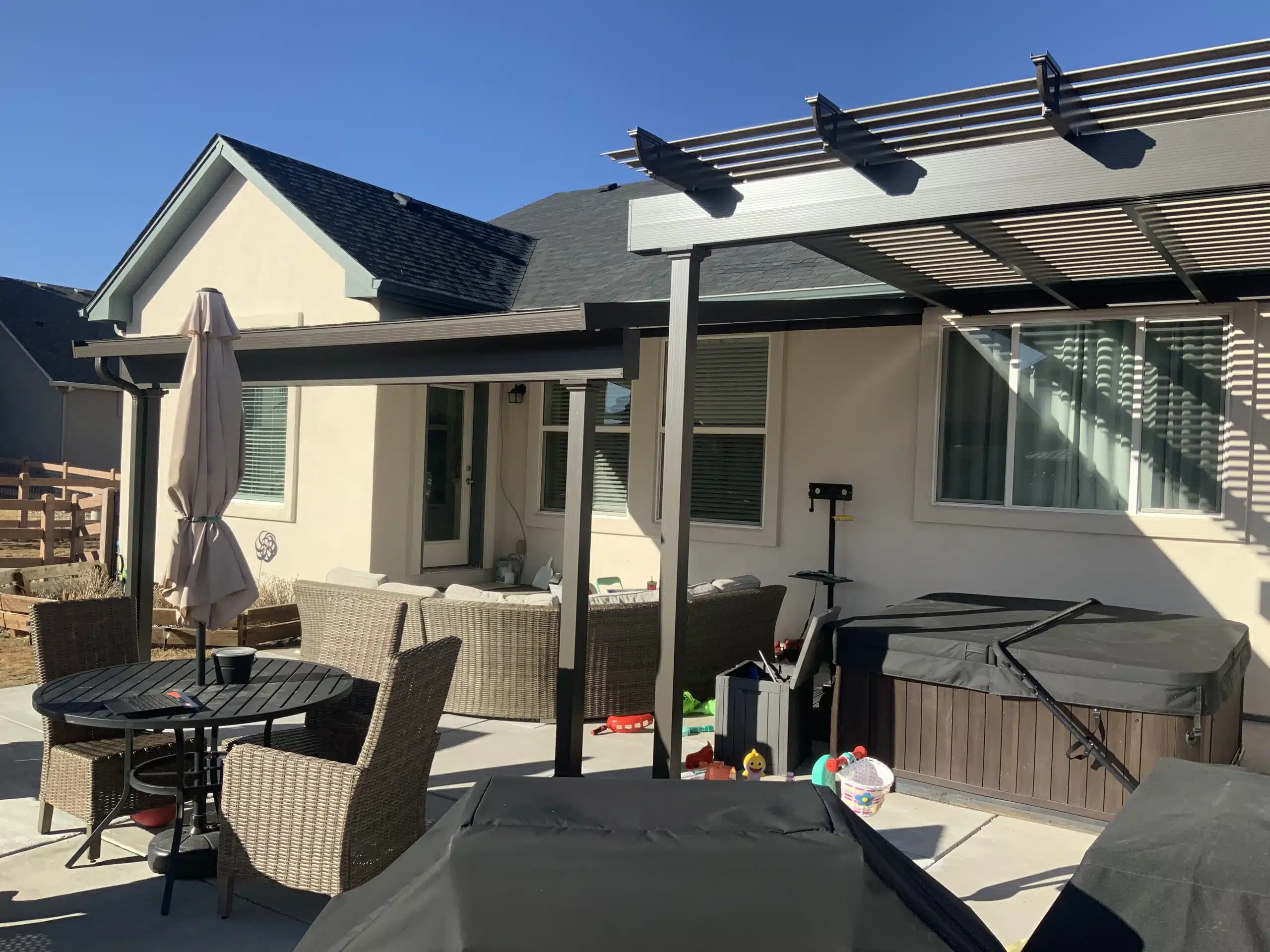
Selecting the right materials for your home’s exterior is one of the most important decisions you can make as a homeowner. The exterior not only defines your home’s curb appeal but also plays a critical role in protecting it from weather, moisture, and long-term structural wear. The best choices balance durability with visual appeal, ensuring your home looks great while standing up to the elements for years to come.
Understanding the Importance of Exterior Material Selection
Exterior materials serve as your home’s first line of defense against wind, rain, snow, heat, and humidity. Poor material choices can lead to costly repairs, reduced energy efficiency, and frequent maintenance. On the other hand, high-quality materials improve insulation, extend the lifespan of your home’s structure, and reduce upkeep needs. When choosing materials, it is essential to consider both the climate in your region and the overall architectural style of your home.
Siding Options and Their Benefits
Siding is one of the most visible components of your home’s exterior and comes in a variety of materials, each with distinct advantages. Vinyl siding is popular for its affordability, low maintenance, and resistance to moisture. Fiber cement siding offers enhanced durability and fire resistance while mimicking the appearance of wood or masonry. Wood siding provides natural beauty and warmth but requires regular maintenance to prevent rot and insect damage. Metal siding, though less common, delivers a sleek, modern appearance and exceptional longevity. Choosing the right siding depends on your priorities for maintenance, cost, and style.
The Role of Brick and Stone in Exterior Design
Brick and stone remain some of the most durable and timeless exterior materials available. These materials offer exceptional longevity, often lasting decades with minimal upkeep. Brick provides a classic, traditional look that suits many architectural styles, while natural stone delivers a more rustic and high-end aesthetic. Both materials offer strong resistance to fire, pests, and harsh weather conditions. Although they come with higher upfront costs, their durability and minimal maintenance requirements often make them cost-effective over time.
Roofing Materials and Long-Term Protection
While often considered separately from siding, roofing materials are a critical part of your home’s exterior system. Asphalt shingles are the most commonly used roofing material due to their affordability and ease of installation. Metal roofing has gained popularity for its durability, energy efficiency, and resistance to extreme weather. Clay and concrete tiles offer a distinctive look and excellent longevity, especially in warmer climates. Choosing the right roofing material ensures proper protection while complementing the overall design of your home.
Energy Efficiency and Insulation Performance
Modern exterior materials are not just about appearance—they also play a significant role in energy efficiency. Well-insulated siding and roofing materials help regulate indoor temperatures, reducing the need for excessive heating and cooling. Materials such as insulated vinyl siding or energy-efficient window systems can significantly lower utility costs over time. Proper installation is equally important, as even the best materials will underperform if not correctly fitted and sealed.
Balancing Style with Architectural Design
A home’s exterior should reflect its architectural style while still meeting practical needs. For example, traditional homes often pair well with brick, wood, or classic siding designs, while modern homes may benefit from metal, fiber cement, or minimalist finishes. Color selection also plays a key role in achieving the desired look. Neutral tones offer timeless appeal, while bold colors can create a more contemporary or personalized appearance. Maintaining harmony between materials, textures, and colors is essential for a cohesive design.
Weather Resistance and Regional Considerations
Different regions require different material choices based on climate conditions. In areas with heavy rainfall or humidity, moisture-resistant materials like vinyl or fiber cement are ideal. In colder climates, materials that can withstand freeze-thaw cycles, such as brick or engineered wood, are more suitable. For hot and sunny regions, reflective roofing and heat-resistant siding help improve comfort and energy efficiency. Understanding local weather patterns ensures your exterior materials perform optimally year-round.
Maintenance Requirements and Longevity
Maintenance is a key factor when selecting exterior materials. Some homeowners prefer low-maintenance options like vinyl or metal siding, which require only occasional cleaning. Others may opt for natural materials like wood, which demand regular painting or sealing to maintain their appearance and durability. Considering how much time and effort you are willing to invest in upkeep can help narrow down your choices and ensure long-term satisfaction with your home’s exterior.
Cost vs. Long-Term Value
While initial cost is an important consideration, long-term value should not be overlooked. Cheaper materials may save money upfront but could lead to higher maintenance and replacement costs over time. Investing in durable, high-quality materials often results in better performance, improved energy efficiency, and increased property value. Evaluating both short-term affordability and long-term benefits will help you make a more informed decision.
Choosing the right materials for your home’s exterior requires careful consideration of durability, style, climate, and maintenance needs. From siding and roofing to stone and brick accents, each material plays a role in shaping both the appearance and performance of your home. By selecting materials that align with your lifestyle and environment, you can create an exterior that is not only visually appealing but also built to last for decades.

