
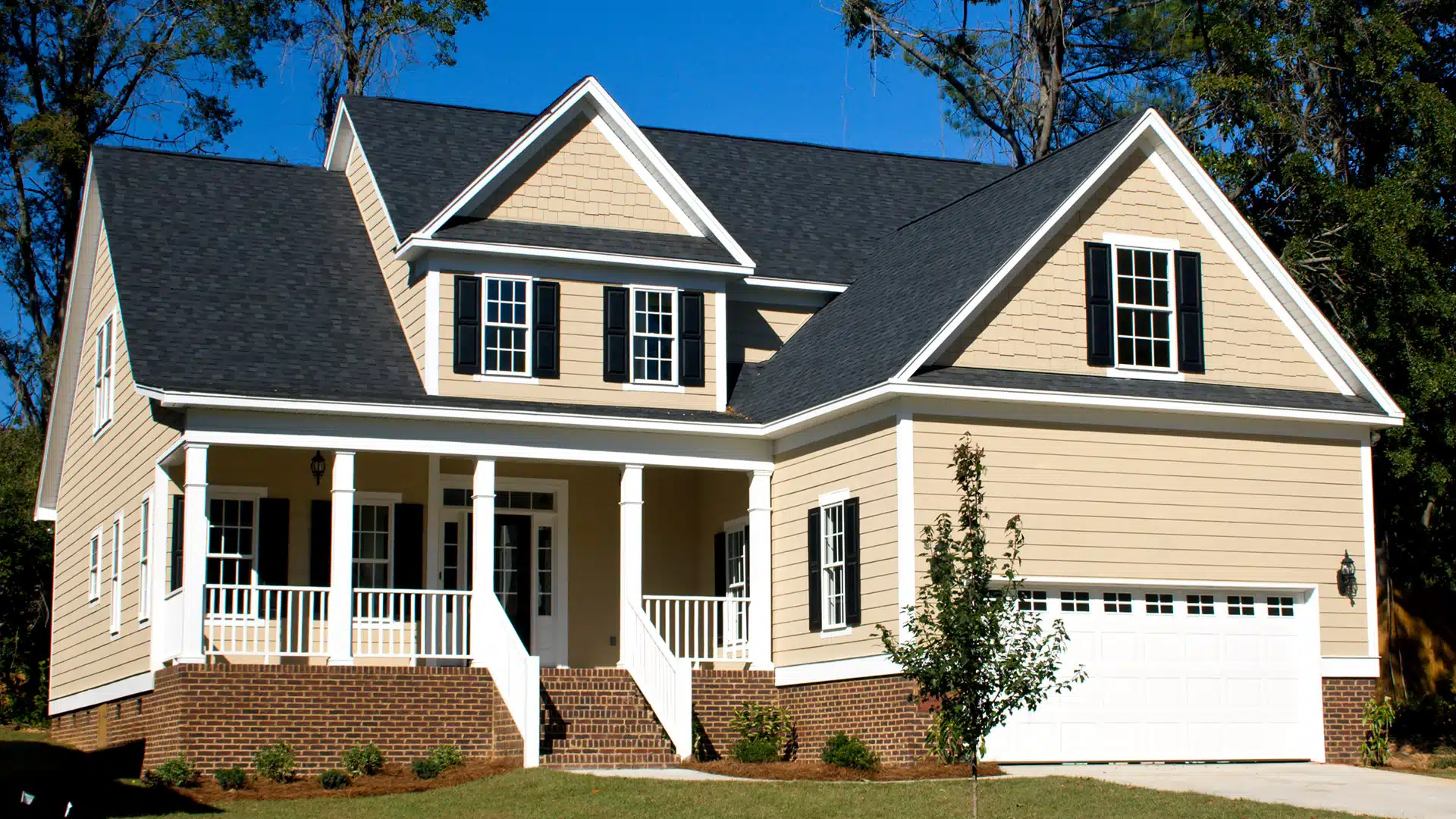
Choosing the right siding for your home is one of the most important decisions you can make as a homeowner. Not only does siding enhance the aesthetic appeal of your property, but it also plays a critical role in protecting your home from the elements. With so many options available, it can be overwhelming to decide which material is the best fit for your needs, budget, and maintenance preferences. Among the most popular choices are vinyl, wood, and fiber cement siding, each offering unique advantages that cater to different lifestyles and design visions.
Vinyl Siding
Vinyl siding has long been a popular choice for homeowners due to its affordability, durability, and low-maintenance qualities. Made from PVC, vinyl siding is resistant to rot, insects, and moisture, making it ideal for areas with high humidity or frequent rainfall. Its versatility in colors and textures allows homeowners to mimic the look of more expensive materials, like wood, without the high cost or upkeep. Vinyl siding is also easy to clean with a simple wash and requires minimal ongoing maintenance, making it an excellent option for busy homeowners or those seeking a long-lasting, practical solution.
Wood Siding
Wood siding is a timeless choice that provides a natural, warm aesthetic unmatched by other materials. Available in a variety of styles, including clapboard, shingles, and board-and-batten, wood siding can be customized to suit traditional, rustic, or contemporary home designs. One of the main benefits of wood is its natural insulating properties, which can improve energy efficiency and create a comfortable living environment. However, wood siding requires regular maintenance, such as painting, staining, and sealing, to prevent issues like rot, warping, or insect damage. For homeowners willing to invest the time and care, wood siding offers classic beauty and enduring charm.
Fiber Cement Siding
Fiber cement siding combines the best features of both vinyl and wood while offering exceptional durability. Made from a mixture of cement, sand, and cellulose fibers, this material is highly resistant to fire, insects, and extreme weather conditions. Fiber cement siding can mimic the appearance of wood, offering a natural and attractive look without the maintenance challenges. It is also available in a variety of colors and textures, giving homeowners flexibility in design choices. While installation can be more labor-intensive and costly than vinyl, fiber cement’s long lifespan and minimal upkeep make it a wise investment for those seeking longevity and resilience.
Durability and Weather Resistance
When selecting siding materials, durability and resistance to weather are crucial considerations. Vinyl siding holds up well against moisture and UV exposure, making it suitable for a variety of climates. Wood siding, while beautiful, requires consistent upkeep to withstand harsh weather and prevent decay. Fiber cement stands out for its ability to endure extreme conditions, including heavy rain, high winds, and fire, making it a top choice for homeowners in areas prone to severe weather events. Understanding the climate where you live will help determine which material provides the best long-term protection for your home.
Maintenance and Longevity
Maintenance requirements vary significantly among siding types. Vinyl siding is virtually maintenance-free, needing only occasional cleaning to maintain its appearance. Wood siding demands regular inspection, painting, or staining to protect it from moisture, insects, and sun damage. Fiber cement strikes a balance, requiring periodic cleaning and occasional repainting but far less maintenance than wood. Considering your willingness and ability to commit to maintenance is essential in selecting the siding that will remain attractive and functional over the years.
Energy Efficiency
Siding can also contribute to your home’s energy efficiency. Vinyl and fiber cement can be installed with insulation backing to help regulate indoor temperatures, reduce energy costs, and increase comfort. Wood naturally provides some insulating properties, and when combined with proper home insulation, it can also improve energy efficiency. Considering energy-saving benefits alongside other factors can help you select a siding material that not only protects your home but also supports sustainability and cost savings.
Cost Considerations
Budget is often a major factor in choosing siding. Vinyl siding is typically the most cost-effective option, offering low installation costs and minimal maintenance expenses. Wood siding, while more expensive initially and over time due to upkeep, adds significant value and aesthetic appeal. Fiber cement falls in the mid-to-high price range, balancing durability and low maintenance with a higher upfront cost. Evaluating your budget alongside long-term benefits and maintenance requirements will ensure you make a financially sound decision.
Selecting the best siding material for your home involves weighing factors such as durability, maintenance, aesthetic appeal, energy efficiency, and cost. Vinyl siding offers affordability and low maintenance, wood siding provides timeless beauty and natural charm, and fiber cement delivers long-lasting durability and versatility. By understanding the unique benefits of each material and considering your lifestyle, climate, and budget, you can make an informed decision that enhances both the appearance and value of your home for years to come.

