
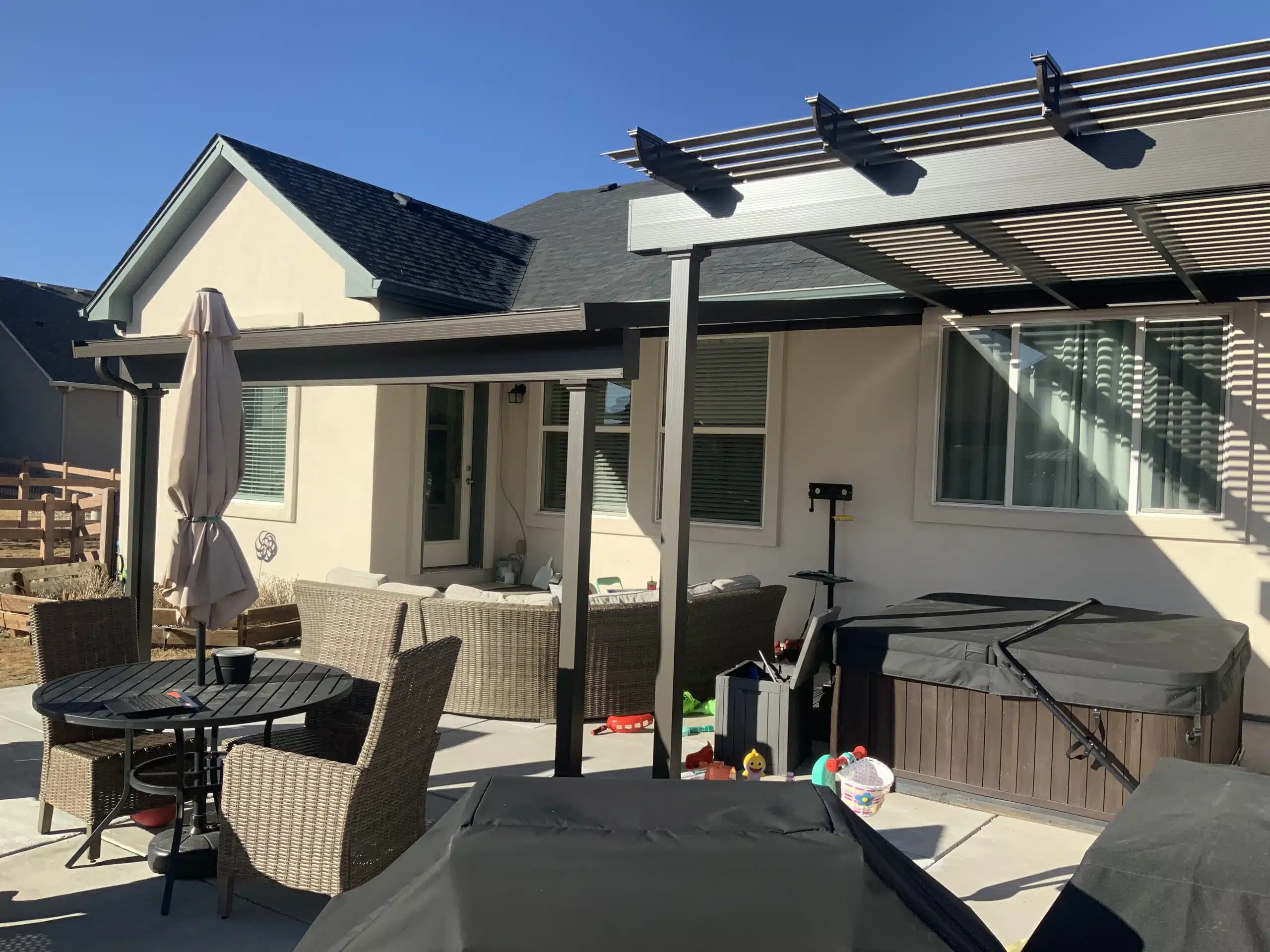
Investing in home improvement projects is about more than just personal enjoyment—it’s also a strategic way to increase your property’s value. However, not all upgrades provide the same return on investment (ROI), and overspending on the wrong project can lead to disappointment. Choosing improvements that combine functionality, aesthetics, and market appeal is essential for maximizing your home’s value. Whether your goal is to enhance your living experience or prepare your home for sale, focusing on projects that deliver strong ROI ensures your efforts and resources are well spent.
Prioritize Curb Appeal
First impressions are crucial in real estate. A home’s exterior is the first thing potential buyers see, and a well-maintained exterior can instantly elevate perceived value. Landscaping improvements, a fresh coat of paint, updated siding, and a welcoming front door can transform the appearance of your home without breaking the bank. Even minor updates, such as planting flowers, trimming shrubs, or adding outdoor lighting, create a polished, inviting look. Investments in curb appeal tend to offer high ROI because they set the tone for the entire property and signal that the home has been well cared for.
Upgrade the Kitchen Thoughtfully
The kitchen is often the most important room for potential buyers, making it a prime area for ROI-focused improvements. Renovations don’t need to be extensive to make a significant impact. Replacing outdated appliances with energy-efficient models, updating countertops, refinishing or replacing cabinetry, and modernizing fixtures can breathe new life into the space. Neutral colors and timeless materials appeal to a wider audience, ensuring your upgrades are attractive to future buyers. Even small changes, like installing a stylish backsplash or adding under-cabinet lighting, can elevate the space and offer an excellent return.
Modernize Bathrooms for Style and Function
Bathrooms are another area where targeted improvements can deliver high ROI. Upgrading fixtures, replacing worn-out tile, and installing modern vanities can make bathrooms feel more luxurious and functional. Simple additions, such as new mirrors, improved lighting, or a refreshed showerhead, can make a big difference without a huge investment. For bathrooms that are outdated or small, consider strategies like adding additional storage, updating flooring, or even reconfiguring layouts to maximize space. Buyers value clean, modern, and functional bathrooms, so strategic upgrades in this area can have a strong impact on your home’s resale value.
Invest in Energy Efficiency
Energy-efficient improvements appeal to both current homeowners and potential buyers. Installing features like smart thermostats, energy-efficient windows, LED lighting, and improved insulation can reduce utility costs and increase the long-term value of your home. Beyond cost savings, energy efficiency demonstrates a commitment to sustainability, which is increasingly important in today’s real estate market. These upgrades not only enhance comfort but also make your home more competitive in a market where buyers are looking for cost-effective and environmentally friendly options.
Repair and Maintain Key Systems
While cosmetic upgrades are important, basic maintenance and repairs can offer surprisingly high returns. Addressing issues like roof leaks, plumbing problems, outdated electrical wiring, or HVAC inefficiencies can prevent more significant problems in the future. Buyers are more likely to pay a premium for a home that is structurally sound and well-maintained. Investing in maintenance not only protects your home’s value but also enhances its overall appeal, giving potential buyers confidence that they are purchasing a reliable property.
Balance Costs with Potential Returns
The key to maximizing ROI is finding the right balance between cost and potential value. While high-end upgrades may be impressive, they may not always yield a proportional return. Focus on improvements that enhance your home’s appeal without exceeding the expectations of your neighborhood. This strategic approach helps you avoid overspending while ensuring your upgrades provide tangible benefits, whether for your enjoyment or resale purposes.
Plan Strategically and Prioritize Wisely
Ultimately, the most effective home improvement strategy involves careful planning and prioritization. Start with projects that address urgent maintenance needs, then focus on upgrades that will enhance aesthetics and functionality. Consider how each improvement aligns with your goals, budget, and timeline. By evaluating each project’s potential ROI, you can make informed decisions that maximize both your home’s value and your personal satisfaction.
Investing in the right home improvements is a balance of aesthetics, functionality, and market appeal. Prioritizing curb appeal, strategic kitchen and bathroom updates, energy efficiency, functional spaces, and essential repairs ensures your projects deliver strong ROI. Thoughtful planning and a focus on long-term value not only enhance your home’s livability but also strengthen its market position, making every improvement a smart investment for the future.

